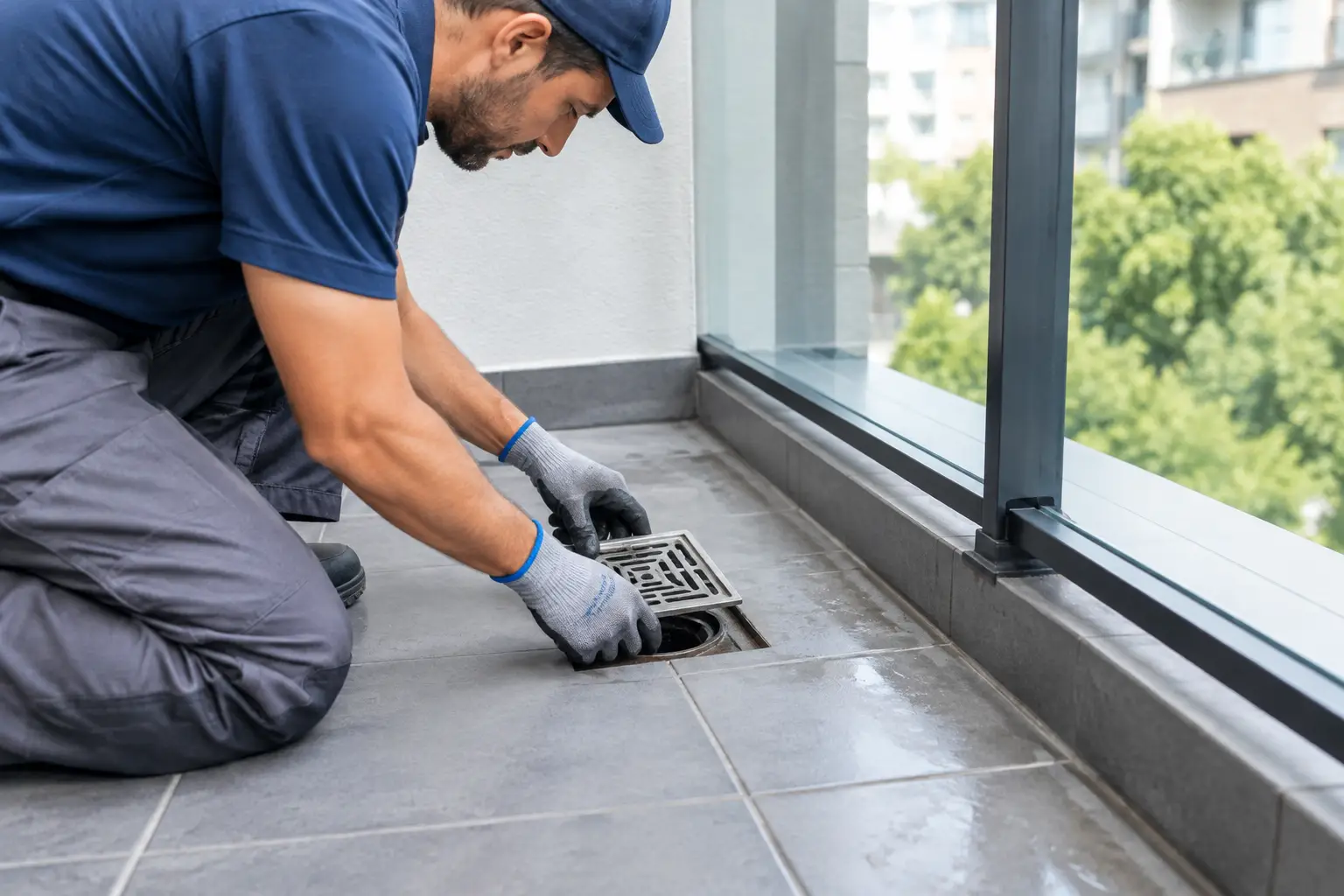
A puddle that sits on balcony tiles after rain may look harmless, but water that cannot drain properly has time to find every weak point. Balcony drainage repair is often needed when water is tracking through cracked grout, failed silicone joints or poorly protected tile edges, then showing up as stains, bubbling paint or damp ceilings below.
For Melbourne property owners, the priority is to identify whether the problem is drainage, waterproofing or both. A balcony can have a clear drain and still leak through failed joints. Equally, fresh grout will not correct a blocked outlet or a balcony surface that falls the wrong way. The right repair starts with a close inspection, not assumptions or unnecessary tile removal.
When balcony drainage repair should not wait
Water damage rarely stays confined to the balcony. Once moisture gets below tiles or behind perimeter joints, it can affect the slab, adjoining wall, door frame and room below. In an apartment, it may also become an owners corporation issue if water reaches a neighbouring property.
The most common warning sign is water ponding for hours or days after rain. Other signs include a musty smell near the balcony door, cracked or missing grout, blackened silicone, loose tiles, white mineral deposits on surfaces below, peeling paint, or a visible ceiling stain beneath the balcony. Rust marks around drains and balustrade fixings also deserve attention.
A small leak can be easy to overlook through a dry Melbourne summer. It often becomes obvious after sustained rain, when water pressure exposes gaps that have gradually opened over time. Addressing those gaps early is generally far less costly than repairing damaged plaster, framing, flooring or a downstairs ceiling.
The difference between a drainage issue and a tile leak
A tiled balcony relies on several parts working together. The surface needs enough fall to move rainwater to the outlet. The drain itself needs to remain clear. Grout needs to be intact between tiles, while flexible silicone joints around walls, door thresholds, balustrade bases and changes of direction must stay sealed. Beneath the tiles, the waterproofing system is the final barrier protecting the structure.
Drainage problems are usually visible. Water may sit in a low spot, overflow at the doorway or collect around a blocked drain. Leaves, dirt, potting mix and loose grout can all restrict an outlet. Cleaning a drain may solve a simple blockage, but it will not repair water that has already entered through surrounding cracks.
Tile leaks can be less obvious. Grout may look generally sound but have fine cracks, worn sections or gaps along its edges. Silicone can shrink, split or detach from the tile and wall, creating a direct path for water. These failures are common on exposed balconies because sun, rain, movement and temperature changes place constant stress on joints.
There are also cases where the balcony has inadequate fall, damaged waterproofing beneath the tiles, or drainage details that need a plumber or building contractor. A reputable specialist should explain this plainly. Targeted regrouting and resealing are highly effective where grout and silicone failure are the source, but they should not be presented as a fix for a structural drainage design problem.
What a proper balcony drainage assessment looks for
The first job is to trace the likely path of water. This means checking more than the drain cover. The condition of grout, movement joints, perimeter silicone, tile edges and door thresholds all matter, as does the location of stains or damage below.
An assessment should also consider how the balcony behaves after rainfall. Does water reach the drain? Does it pool beside a wall? Is the outlet blocked, slow or set higher than the surrounding tile surface? Are planters preventing water from escaping? These details help separate a maintenance issue from a more involved repair requirement.
For landlords and property managers, a documented assessment is especially useful. It provides a clear basis for acting before a tenant reports interior damage or a neighbour raises a complaint. It also avoids spending money on broad renovation work when the defect may be confined to failed grout and silicone joints.
Repairing failed grout and silicone without removing tiles
Where the existing tiles are sound and the leak is linked to deteriorated surface joints, a targeted repair can preserve the balcony finish. The damaged grout is removed from the affected joints rather than simply covered over. Joints are cleaned and prepared, then regrouted to restore a solid, neat finish.
Failed silicone is removed from movement areas and replaced with fresh flexible sealant. These joints are particularly important around the perimeter of the balcony, against walls, at door frames and where different materials meet. Grout is not designed to flex in these locations. Silicone is used because the balcony and building materials move slightly over time.
The benefit is practical: homeowners can address a common source of water ingress without the noise, waste and expense of lifting all existing tiles. It is not a cosmetic patch. Correct preparation and application are what allow renewed grout and silicone to perform as protective joints.
At Mr. Regrout, balcony regrouting and silicone renewal are completed as a focused repair for tiled balconies with failed joints. Free inspections and fixed quotes help property owners understand whether this tile-preserving approach is suitable before work begins. Eligible workmanship is backed by a 5-year waterproof warranty, providing clear accountability after the repair.
When regrouting is not the complete answer
There are situations where a balcony needs additional work. If tiles are drummy or loose across a large area, the waterproofing membrane is known to have failed, or water consistently runs away from the drain, the repair may extend beyond grout and silicone. A blocked or damaged drain connection may need a licensed plumber. Significant cracking, structural movement or poor falls may require advice from a builder or waterproofing professional.
This is not a reason to delay an inspection. It is a reason to get the diagnosis right. A targeted repair is valuable when it matches the cause. When it does not, a straightforward explanation of the limits and next steps protects the owner from paying twice.
Keeping balcony drainage working after repair
Once repairs are complete, routine care makes a difference. Keep leaves, soil and debris away from the drain, particularly after windy weather. Check that outdoor rugs, furniture covers and planter trays are not trapping water against walls or blocking the outlet. If you wash the balcony, make sure water moves freely to the drain rather than being pushed towards the door.
Inspect grout and silicone at least twice a year, and after any major storm. Look closely around the perimeter and the doorway, where minor separation is often first noticed. Avoid harsh acid cleaners or aggressive pressure washing, as these can damage grout and compromise sealed joints.
If water starts pooling again, do not wait for a ceiling stain to confirm there is a problem. A quick inspection can distinguish a simple cleaning issue from the early signs of joint failure.
Choose a repair based on the cause, not the appearance
A balcony may look tired without leaking, or look relatively neat while water is already entering behind the tiles. The visible surface tells only part of the story. The best balcony drainage repair considers where water is collecting, how it is leaving the space and whether the joints that protect the structure are still doing their job.
If rainwater is lingering on your balcony or signs of dampness have appeared below it, arrange an inspection while the issue is still contained. Preserving sound tiles and repairing failed joints early can protect the rest of the property from a much larger repair later.