A leaking shower rarely starts with a dramatic flood. More often, it begins with darkened grout, mould returning around the shower screen, peeling paint outside the bathroom or a damp patch appearing on the ceiling below. Effective bathroom leak solutions deal with the source of that water ingress before it spreads into walls, floors and adjoining rooms.
For many Melbourne homes, the answer is not a full bathroom renovation. When tiles are sound and the leak is caused by deteriorated grout or failed silicone joints, targeted repair can restore protection without removing tiles, creating demolition waste or taking the bathroom out of use for weeks.
Start by finding where the water is getting through
A tiled shower is designed as a system. Tiles provide the visible finish, but grout, silicone joints and the waterproof layer behind them all play a role in directing water safely to the drain. When joints crack, grout becomes porous or silicone separates from the wall and shower base, water can work its way behind the tiles.
The visible damage is not always directly beside the leak. Water may travel beneath tiles or along framing before it appears as swollen skirting boards, loose paint, staining on a nearby wall or damage to the ceiling below. That is why replacing a small section of discoloured grout without assessing the surrounding area can leave the real problem untouched.
A proper inspection considers the shower floor, wall joints, corners, hob or shower base, penetrations around taps and fittings, and the condition of the grout throughout the wet area. On balconies, attention also needs to be given to floor-to-wall junctions, movement joints and drainage paths.
Common signs you need bathroom leak solutions
Bathrooms receive constant moisture, so surface mould alone does not always mean there is a leak. However, recurring or spreading signs deserve prompt attention, particularly in older homes and apartments.
Watch for:
- Cracked, missing or crumbling grout in the shower or around the bath
- Silicone that is split, lifting, blackened or pulling away from corners
- Mould that returns quickly after cleaning, especially along joints
- Damp or peeling paint on the other side of a shower wall
- Swollen timber, loose tiles, musty odours or staining on a ceiling below
A shower that leaks only after several minutes of use can be particularly revealing. It often points to water entering through the tiled surface or failed joints rather than an obvious plumbing burst. A plumbing issue remains possible, though, and should be ruled out where there is water loss, reduced pressure or dampness when the shower has not been used.
Why grout and silicone fail
Grout is not a flexible material. Over time, normal movement in a home, moisture exposure, cleaning products and wear can cause it to crack or break down. Cement-based grout can also become more absorbent as it ages, especially where it has not been properly maintained.
Silicone has a different job. It is used where two surfaces meet and movement is expected, such as wall corners, where tiles meet a shower base, and around baths. Once silicone loses adhesion or splits, those junctions become easy entry points for water.
Poor ventilation can make the problem more visible by encouraging mould growth, but ventilation alone will not repair failed joints. Likewise, applying sealant over mouldy, loose or contaminated silicone may look better briefly, yet it usually fails because the new material has not bonded to a clean, stable surface.
Bathroom leak solutions that keep existing tiles in place
When the underlying waterproofing remains serviceable and the failure is concentrated in grout and silicone joints, a tile-preserving repair is often the most practical option. The affected grout is removed rather than simply covered. Joints are cleaned and prepared, new grout is applied, and failed silicone is cut out and renewed in the appropriate junctions.
This approach addresses the points where water is most likely entering while retaining tiles that are otherwise in good condition. It avoids the cost and disruption of demolition, new tiling and a full bathroom rebuild. For homeowners who need to protect a rental property or prepare a home for sale, that difference can be substantial.
The trade-off is that regrouting is not a universal fix. If tiles are badly drummy or loose, there is extensive water damage behind the wall, the shower base has failed, or the waterproof membrane has been compromised beyond the joints, further work may be required. A specialist should be clear about that before any repair begins.
Regrouting is different from patching
A quick patch often means filling a crack with new material while leaving surrounding weak grout and failed silicone in place. It may reduce the visible problem, but it does not provide a consistent repair across the wet area.
Professional regrouting involves removing deteriorated material to a suitable depth, preparing the joints properly and renewing silicone where movement occurs. The goal is not just a cleaner finish. It is to rebuild the protective surface so water is less able to reach the structure behind the tiles.
Silicone renewal needs careful preparation
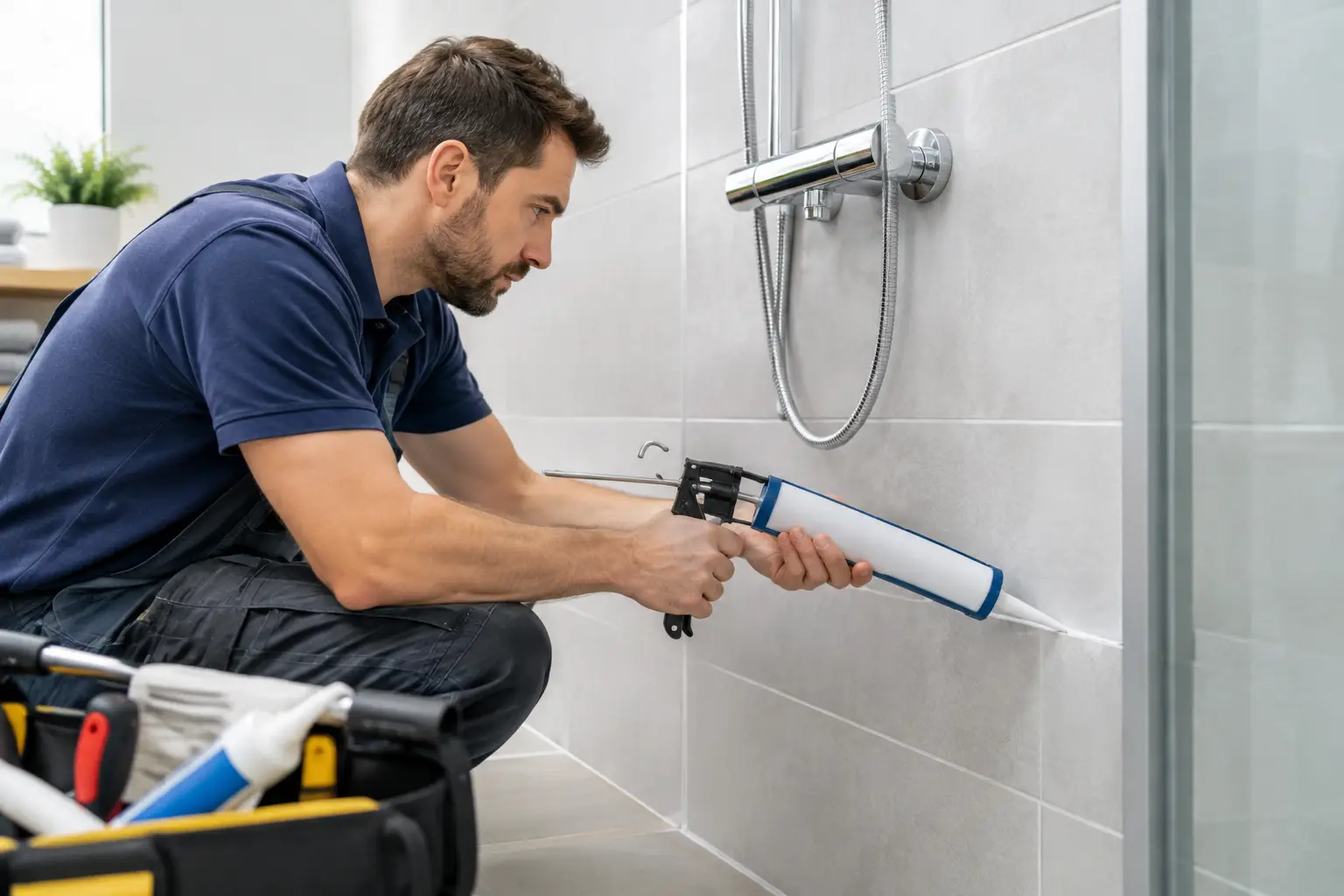
Silicone renewal is one of the most effective repairs for a leaking shower, but only when the old product is completely removed and the area is dry and clean before new silicone is applied. Corners and shower bases are high-risk areas because they experience movement as well as repeated water exposure.
A neat bead alone is not enough. Correct joint preparation and suitable curing time matter. Using the shower too soon can affect the finish and performance of the new silicone.
When the problem may be plumbing or structural
Not every bathroom leak comes through grout. Water appearing even when no-one has showered, a sudden spike in water bills, dampness around pipework or a constantly running toilet can indicate a plumbing fault. In those situations, a licensed plumber is the right starting point.
Structural movement can also create recurring cracks. A small, stable crack may be repairable as part of regrouting, while ongoing movement can continue to open joints after repair. Apartments require extra care because water can affect neighbouring lots, common property and insurance obligations.
The best result comes from diagnosing first and repairing second. Guesswork can turn a manageable maintenance job into a larger, more expensive issue.
What a straightforward repair process looks like
A reliable bathroom repair should begin with a clear assessment of the tiled wet area and the likely source of water ingress. You should understand whether the issue is isolated to grout and silicone, whether plumbing investigation is needed, and whether tile-preserving work is suitable.
Once the scope is confirmed, a fixed quote provides certainty before work starts. The repair can then focus on removing failed grout, renewing silicone joints and restoring the finish without removing tiles. This is generally far less disruptive than a renovation, although the bathroom will need to remain dry while materials cure.
For Melbourne property owners, Mr. Regrout provides free inspections, fixed-price quotes and a 5-year waterproof warranty for eligible remedial work. Those safeguards matter when a leak has already caused stress or when you are responsible for a tenant, a body corporate matter or a property settlement deadline.
Avoid delaying a small leak
Water damage rarely becomes cheaper with time. What begins as a failed silicone corner can eventually affect plaster, timber framing, flooring, paintwork or the apartment below. Mould can also become harder to manage once moisture is trapped behind tiled surfaces.
That does not mean every cracked grout line calls for demolition. It means the condition should be assessed early, while there is still an opportunity to repair the weak points and retain the existing bathroom finish.
If your shower shows recurring mould, damaged grout or signs of dampness beyond the tiled area, arrange an inspection before reaching for another tube of sealant. A targeted repair may be the practical way to stop the leak, protect the property and keep your bathroom functioning without the upheaval of a full renovation.