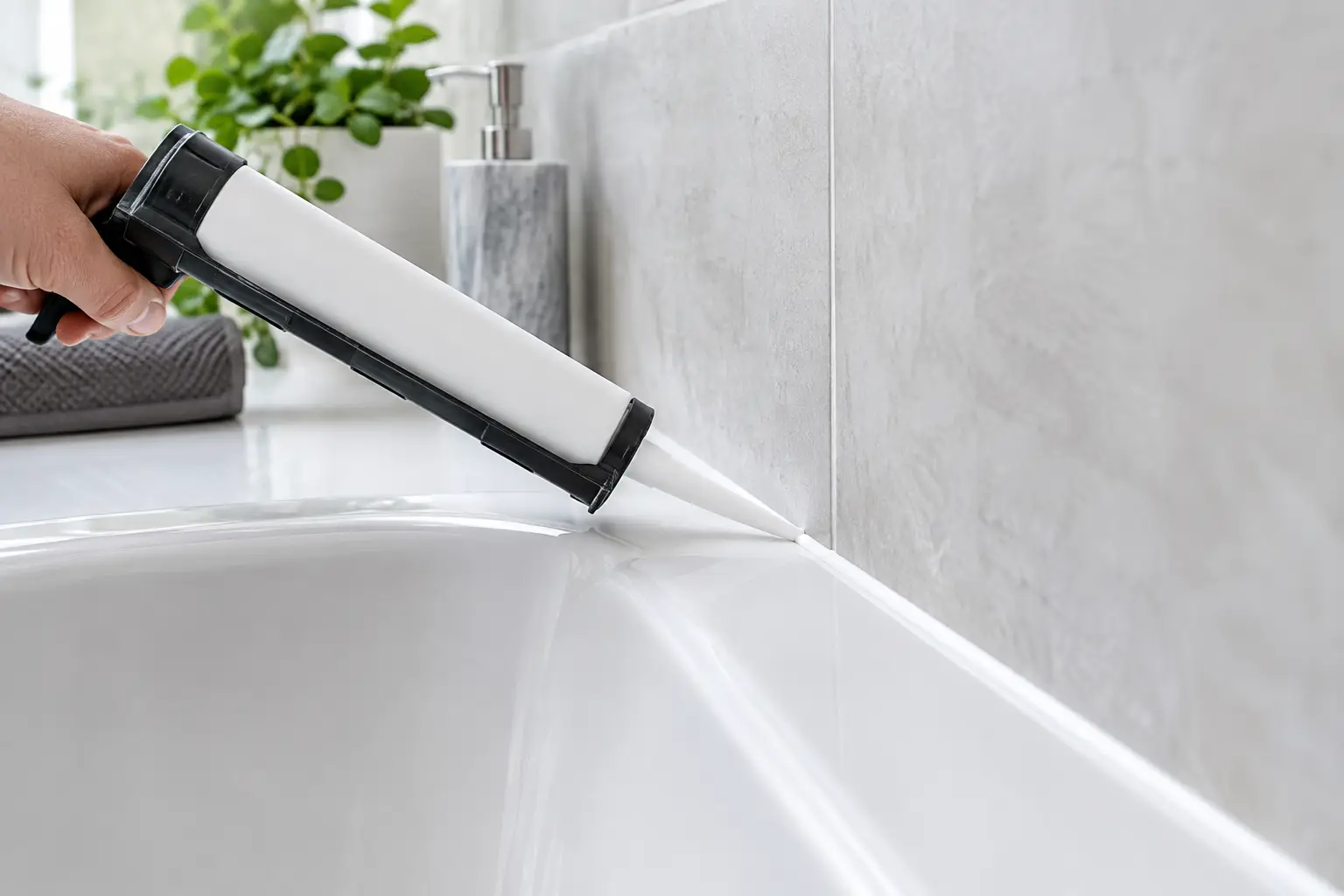
A neat bead of silicone can hide a serious problem for a while. Choosing the best silicone for wet areas matters because shower corners, bath edges and balcony joints are designed to move. When the sealant loses adhesion, cracks or becomes mould-stained, water can pass behind tiles and into surrounding building materials.
For Melbourne homes, the right product is only part of the repair. The old silicone must be fully removed, the joint prepared correctly and the new bead applied to a dry, clean surface. Otherwise, even premium silicone can fail early.
What makes silicone suitable for wet areas?
Wet-area silicone is not simply any tube labelled waterproof. It needs to remain flexible, adhere reliably to the materials on both sides of the joint and resist mould growth in a frequently damp environment.
The best choice for most tiled showers is a high-quality, neutral-cure sanitary silicone formulated for bathrooms. Neutral-cure silicone generally has good adhesion across common bathroom surfaces, including glazed tiles, ceramic fixtures, glass, aluminium and many sealed stone surfaces. It is also less likely to cause corrosion or staining than some alternatives.
Look for a product specifically rated for bathrooms, kitchens or sanitary applications. These products contain anti-fungal additives that help slow surface mould growth. That does not mean silicone will stay mould-free forever. Poor ventilation, soap residue and moisture left sitting in corners can still create mould, but a proper sanitary formulation gives the joint a much better starting point.
Flexibility is equally important. Silicone around a shower wall-to-floor junction is not decorative filler. It is a movement joint. Walls, floors, shower bases and tiled surfaces can expand, contract and move slightly over time. A rigid sealant may look fine immediately after application, then split away as the materials shift.
The best silicone for wet areas depends on the location
There is no single product that suits every wet joint. Showers, bathrooms and balconies face different conditions, and applying the wrong sealant can shorten the life of the repair.
Shower corners and wall-to-floor joints
Shower corners, vertical internal corners and the junction between wall tiles and the shower floor need flexible sanitary-grade silicone. These are high-use areas exposed to daily water, steam, body products and movement.
Clear silicone is often used where the joint crosses differently coloured tiles or glass. White is common around white shower bases and fixtures, while colour-matched silicone can provide a cleaner finish against grout or tiles. Colour should be secondary to performance. A matching colour is not useful if the sealant is unsuitable for constant water exposure.
Avoid filling these movement joints with grout. Grout is hard and porous by comparison. It can crack as the surfaces move, allowing water into the joint. Grout belongs between tiles; silicone belongs where tiled planes meet or where tiles meet another material.
Around baths, basins and fixtures
The joint between tiles and a bath, vanity, basin or shower screen also needs sanitary silicone with strong adhesion. The common failure here is not always a visible crack. Silicone can detach from one edge, leaving a narrow opening that channels water behind the fixture or wall tiles.
Where a bath is used regularly, it is worth checking the sealant while the bath is filled with water. The added weight can reveal movement at the tile-to-bath junction. A seal applied without allowing for that movement may pull away later.
Balconies and external tiled areas
Balconies need a different level of consideration. External joints face direct sun, rain, temperature changes and wider movement across the slab. A bathroom-only silicone may not be the right choice for exposed external conditions.
For tiled balconies, use a sealant rated for exterior use, UV exposure and movement, and suited to the specific materials being joined. In many cases, a specialist-grade polyurethane or hybrid sealant may be more appropriate than standard sanitary silicone, particularly at perimeter and expansion joints. The joint design, tile type, existing waterproofing and drainage all matter.
A leaking balcony is rarely solved by applying a bead over cracked material. Failed grout, open movement joints, poor falls or compromised waterproofing can all contribute. The sealant has to be part of a targeted repair, not a cosmetic cover-up.
Why good silicone still fails
Most silicone failures come back to preparation or diagnosis. Applying new sealant over old silicone is one of the most common shortcuts. New silicone does not bond reliably to a contaminated old bead, especially where mould, soap film or moisture remains.
The joint needs to be cut out completely, cleaned and allowed to dry before resealing. Any loose grout beside the joint should be addressed first. If water is already getting behind tiles, simply replacing the visible silicone may not stop the leak.
Poor joint size is another issue. A bead that is too thin can tear as surfaces move. One that is excessively wide or pushed too deeply into the gap may not stretch as intended. Professional application is about creating a consistent, properly bonded seal across the joint, not using more product than necessary.
Curing time also matters. Silicone may skin over quickly, but it needs sufficient time to cure before it is exposed to water. Using a shower too soon can compromise the bond and leave the homeowner facing another repair. Always follow the product’s stated cure time and allow extra caution in cool or humid conditions.
Signs your silicone needs replacing
Silicone renewal should not wait until water damage becomes obvious. Check shower and balcony joints if you notice any of the following:
- Cracks, gaps or sections pulling away from tiles, glass or fixtures
- Black mould that returns quickly after cleaning
- Silicone that feels brittle, shrunken, tacky or worn thin
- Loose or cracked grout beside wall-to-floor and corner joints
- Damp patches, peeling paint or staining on an adjoining wall, ceiling or room below
A mouldy bead is not always a leak, and a clean-looking bead is not always watertight. Water can enter through a fine separation behind the visible face of the silicone. That is why a proper inspection matters where there are signs of water ingress.
Silicone versus grout: know where each belongs
Homeowners often see a damaged shower joint and assume all gaps should be regrouted. The distinction is straightforward. Grout fills the spaces between tiles on the same flat surface. Silicone seals changes of plane, such as corners, wall-to-floor junctions, wall-to-ceiling junctions and transitions around fixtures.
In a shower, grout and silicone work together. Sound grout helps maintain the tiled finish, while flexible silicone protects the joints most likely to move. If both are deteriorating, replacing only one may not provide a lasting result.
This is particularly relevant in older Melbourne bathrooms, where original grout can become porous or cracked and the perimeter silicone may be well past its service life. A targeted regrouting and silicone renewal can restore the finish and address common entry points for water without removing sound existing tiles.
When silicone replacement is not enough
Fresh silicone cannot repair failed waterproofing behind tiles. If a shower leaks into an adjoining room, causes a stained ceiling below, has persistently loose tiles or shows widespread grout deterioration, the source needs to be assessed before work begins.
The same applies to balconies. Water pooling, cracked tiles, failed perimeter joints and internal moisture damage can point to more than one defect. Covering cracks with sealant may trap the problem rather than solve it.
Mr. Regrout assesses tiled showers and balconies to identify whether failed silicone and grout are the likely cause of water ingress. Where a tile-preserving repair is suitable, the work can be completed without unnecessary demolition, with a fixed quote and a 5-year waterproof warranty.
A better standard than a quick patch
The best silicone for wet areas is a quality, correctly specified sealant, but the lasting result comes from the process around it. Remove failed material fully, prepare the joint properly, use a flexible wet-area product and give it time to cure before exposing it to water.
If a shower or balcony joint is cracking, mouldy or separating, act before water reaches the areas you cannot see. Early repair is usually simpler, less disruptive and far more cost-effective than waiting for a leak to damage walls, floors or neighbouring spaces.