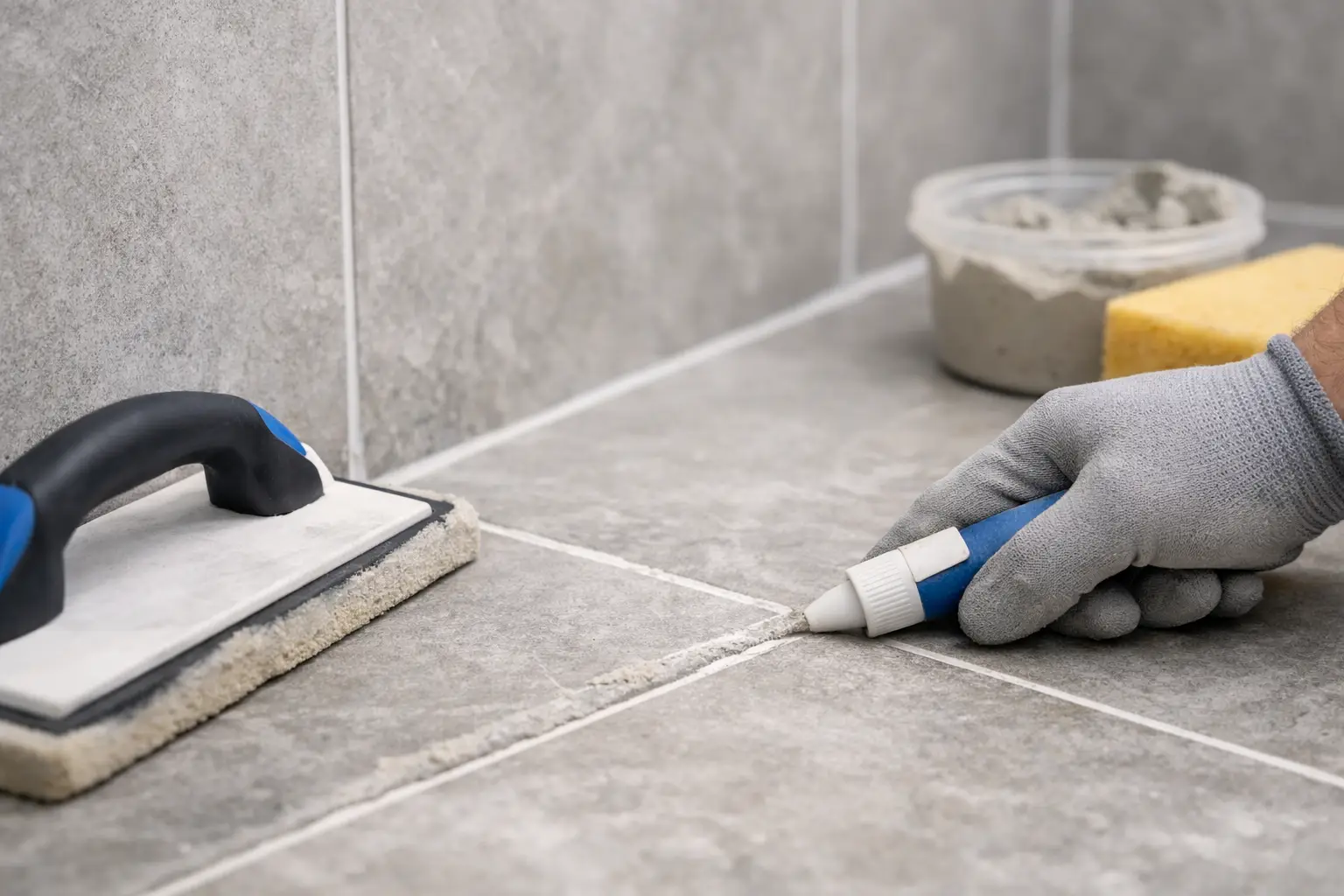
A shower can look perfectly serviceable from the doorway while water is working its way behind the tiles. Cracked grout, missing sections and lifting silicone are often the first visible signs. Timely grout replacement Melbourne property owners arrange can stop a small maintenance issue becoming damage to plaster, flooring, cabinetry or the ceiling below.
For many Melbourne homes and apartments, the answer is not to demolish a bathroom or pull up balcony tiles. Where the tiles are sound and the underlying waterproofing remains serviceable, targeted regrouting and silicone renewal can restore the sealed finish without the cost, mess and downtime of a full renovation.
When grout replacement is the right repair
Grout is the hard material between tiles. It keeps the tiled surface neat and supported, but it is not a substitute for the waterproofing system beneath. Over time, grout can become porous, crack as a building moves, or wear away through cleaning and regular use. Silicone at wall-to-floor junctions, corners and around shower screens can also split, shrink or develop mould.
These openings give water a path into areas that should remain dry. In a shower, that may mean moisture reaching the wall framing, adjacent rooms or the floor below. On a balcony, water can move beneath tiles and affect the substrate, internal ceiling or nearby walls.
A specialist assessment determines whether grout and silicone failure are the likely cause of the problem. Regrouting is generally a sensible option when tiles are firmly bonded, there are no major movement issues, and the wet area can be restored by removing failed joints and renewing the seal. It is particularly useful for owners who want to retain tiles they like or need a practical repair in a tenanted property.
It is not the right answer for every leak. Significant movement, loose tiles, a failed waterproof membrane or extensive structural damage may require further building work. A proper inspection matters because simply applying new grout over old, deteriorated joints can hide the issue for a short time without addressing the route water is taking.
Signs your shower or balcony needs attention
Deterioration is rarely sudden. Most owners first notice a small crack in a shower corner, grout that feels sandy or powdery, or mould returning soon after it has been cleaned. These are not always cosmetic concerns.
Watch for grout that is missing, stained or crumbling; silicone that has separated from the tiles; persistent mould along joints; damp patches on adjoining walls; peeling paint outside the bathroom; or water marks on a ceiling below a balcony or upstairs shower. A musty smell can also point to trapped moisture.
For landlords and property managers, reports of a leaking shower should be acted on promptly. Apart from protecting the property, early repairs can reduce disruption for tenants and help avoid a more involved insurance or strata issue later. In apartments, water ingress may affect a neighbouring lot, so the cost of waiting can extend well beyond the original bathroom.
How professional grout replacement works
Effective regrouting is a remedial process, not a quick surface tidy-up. The work starts by identifying the failed areas and checking the condition of the tiles, grout lines and flexible joints. The technician can then recommend a targeted scope of work and provide a fixed-price quote before repairs begin.
Failed grout is carefully removed to create a clean, sound joint for replacement. The tiled surface is prepared, new grout is installed, and areas that require flexibility - such as corners, wall-to-floor junctions and shower screen edges - receive appropriate silicone sealing. These movement joints are critical because buildings and tiled surfaces expand and move slightly over time. Hard grout in a flexible junction is more likely to crack again.
The repair should leave the tiled area clean, properly finished and ready to perform as intended once curing requirements have been met. Your technician should explain when the shower or balcony can be used again. Rushing this stage can compromise the result, particularly where fresh silicone needs time to cure.
At Mr. Regrout, the focus is on restoring failed grout and silicone without removing existing tiles where the condition of the area allows. A free inspection and fixed-price quote give homeowners, investors and managers a clear basis for deciding whether a tile-preserving repair is suitable.
Grout replacement for showers and balconies is different
The same visible symptom - damaged grout - can mean different things depending on where it occurs. A shower is exposed to regular, concentrated water use, so corners, screen edges and plumbing penetrations need close attention. A balcony faces rain, temperature changes, sun exposure and water that must drain correctly. Grout failure on an external tiled surface may be accompanied by ponding water, cracked tiles or failed expansion joints.
For showers, the objective is to close the pathways created by deteriorated joints and restore a tidy, water-resistant tiled finish. For balconies, the repair also needs to account for drainage and weather exposure. If water sits on the balcony after rain, or tiles sound hollow and move underfoot, regrouting alone may not resolve the underlying issue.
This is why a one-size-fits-all quote over the phone is rarely useful. The condition of the substrate, grout depth, tile adhesion, silicone joints and surrounding signs of moisture all influence the right repair. An on-site inspection gives a clearer answer and reduces the risk of paying for work that does not address the cause.
Why replacing grout is often better than renovating
A bathroom renovation can be worthwhile when the layout, tiles and fittings all need updating. But renovation is a costly way to solve a localised failure if the rest of the room is in good condition. Removing tiles creates dust, waste, noise and the possibility of additional work once walls and floors are opened up.
Targeted grout replacement keeps sound tiles in place. That can substantially reduce household disruption and make the repair more manageable for occupied homes and rental properties. It also avoids replacing tiles simply because several joints have failed.
The trade-off is that regrouting is a repair, not a cosmetic reinvention. It will not change dated tiles, correct poor drainage or fix major waterproofing failure beneath the tiled surface. The value comes from selecting it for the right condition: a sound tiled area with failed grout and silicone that need professional renewal.
Looking after renewed grout and silicone
Once joints have been restored, everyday care helps extend their life. Use a squeegee or towel to remove excess water from shower walls after use where practical, keep the room ventilated, and avoid harsh acidic cleaners that can damage grout or silicone. A pH-neutral cleaner is generally the safer choice for routine cleaning.
Check corners, shower screen edges and grout lines periodically rather than waiting for visible water damage. Silicone should remain firmly bonded and free from splits. Grout should feel solid, not chalky or loose. If mould keeps returning in one place, it is worth investigating the joint rather than repeatedly treating the surface.
For balconies, keep drains and weep paths clear of leaves and debris so water can escape as designed. Do not assume a freshly cleaned balcony is problem-free if water pools after rain or moisture appears on the underside.
A leaking shower or deteriorating balcony does not automatically mean weeks of demolition. When the tiles are sound, a careful assessment and targeted repair can deal with failed joints early, protect the areas around them and let you keep the finish already in place. The most useful next step is to have the condition checked before a minor crack becomes a much larger repair.