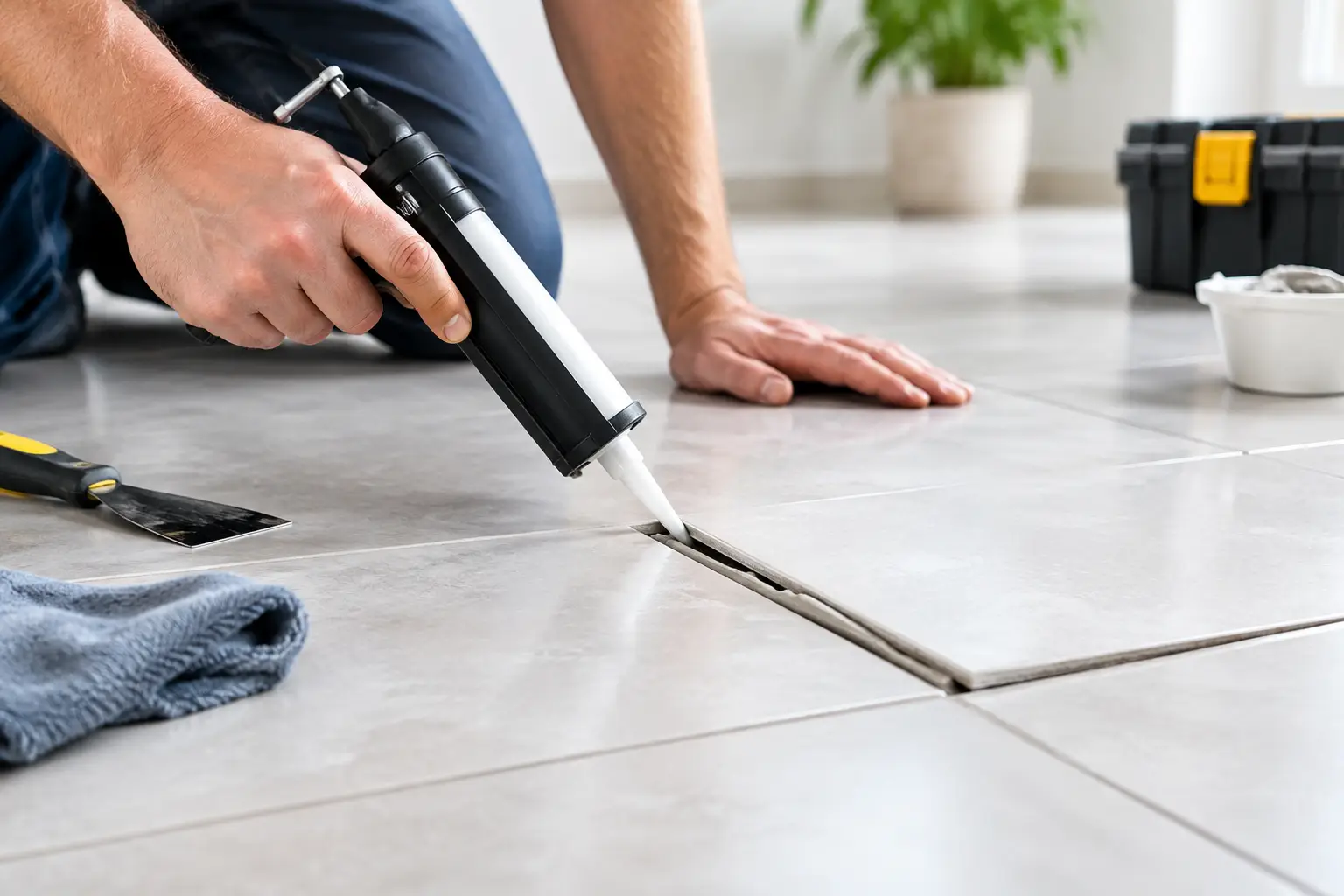
A tile that moves, sounds hollow or has cracked grout around its edge is more than a cosmetic annoyance. In a shower or balcony, it can create a path for water to reach the adhesive bed, wall or floor beneath. Knowing how to repair loose tiles starts with identifying why the tile has loosened. Resetting one tile may be enough in a dry area, but a loose tile in a wet area can be a sign of failed grout, deteriorated silicone or a bigger water-ingress issue.
The good news is that loose tiles do not automatically mean a full renovation. In many Melbourne homes, targeted repairs can retain the existing tiles while addressing the failed joints and water entry points around them. The right approach depends on where the tile is located, how extensive the movement is and whether moisture has already affected the substrate.
First, check whether the tile is actually loose
A hollow sound from tapping a tile does not always mean it needs to be removed. Some tiles have small voids beneath them from the original installation and can remain stable for years. A genuinely loose tile will often move when pressed, rock slightly underfoot, sit proud of neighbouring tiles or have broken and missing grout around its perimeter.
Pay attention to the location. A loose floor tile near a shower screen, waste or bathroom doorway deserves prompt attention because these are common water-exposure areas. On a balcony, loose tiles around drains, edges, balustrade posts and door thresholds should also be assessed quickly. Water can travel below the tiled surface before appearing as staining, bubbling paint or damage to a ceiling below.
If several tiles are drummy, cracked or moving, avoid treating each one as an isolated repair. Widespread movement can point to a bonding failure, substrate movement or ongoing moisture below the tiles. Simply filling the grout lines may hide the symptom without fixing the cause.
How to repair loose tiles in a dry area
For a single loose tile in a dry, non-critical area, such as a laundry wall away from a splash zone, resetting it can be a practical repair. The tile needs to come out cleanly, the old adhesive must be removed, and the surface beneath must be sound and dry before it is re-fixed.
Start by carefully removing the grout around the loose tile. This separates it from surrounding tiles and reduces the chance of chipping their edges. Use a suitable grout-removal tool rather than levering against adjacent tiles. Once the joint is clear, gently lift the tile. If it will not lift easily, forcing it can damage the surrounding finish.
Remove loose adhesive from both the back of the tile and the substrate. The surface needs to be firm, clean and free from dust. Apply an appropriate tile adhesive, press the tile into position so it sits level with its neighbours, and allow it to cure in line with the product directions. The perimeter can then be regrouted after curing.
This is a reasonable small-job approach only when the surface beneath is dry and stable. If the backing is soft, crumbly, stained or damp, stop there. Refixing a tile over a damaged substrate is unlikely to last.
Why shower and balcony tiles need a different approach
A tiled shower or balcony is not simply a tiled surface. It is a system of tiles, grout, silicone joints, adhesive, substrate and waterproofing. Grout is not waterproof, and cracked grout is rarely the only reason water gets through. The flexible silicone joints at wall-to-floor intersections, corners, shower screens and penetrations are especially important because those areas move slightly over time.
When a shower tile loosens, water may have entered through failed grout or silicone and weakened the adhesive behind it. On a balcony, exposure to rain, heat and building movement can break down joints and allow water below the tile bed. Replacing one loose tile without renewing defective joints may leave the water path open.
There is also a trade-off to consider. Removing a tile from a wet area can disturb surrounding grout, waterproofing or tiles that are otherwise intact. If a matching replacement is not available, the repair can become visually obvious. A specialist assessment helps determine whether a tile can be carefully reset, whether the tiled surface needs targeted regrouting and silicone renewal, or whether the underlying construction needs further investigation.
Signs the problem is more than one loose tile
A loose tile warrants professional attention sooner rather than later when it appears alongside other moisture-related signs. These can include persistent mould around joints, cracked or missing grout, lifting silicone, a musty smell, peeling paint on the adjoining wall, swelling skirting boards or staining on the ceiling beneath a bathroom or balcony.
In an upstairs shower, a leak may show up downstairs before the shower itself looks seriously damaged. In an apartment, balcony water ingress can affect the unit below or common property. For landlords and property managers, early repair is often the difference between a contained maintenance job and a larger rectification issue involving multiple surfaces.
Do not rely on sealant spread over dirty, cracked or loose grout as a long-term fix. Surface coatings can temporarily change the appearance, but they do not secure a moving tile or resolve failed silicone joints. Similarly, injecting adhesive beneath a tile can have a place in selected situations, but it is not suitable where moisture has damaged the substrate or the failure extends across an area.
What a proper tile-preserving repair involves
The aim is not to remove tiles unnecessarily. A targeted repair begins with finding the likely water-entry points and checking the condition of the tiled surface. Loose or damaged sections are assessed alongside grout lines, movement joints, silicone seals, shower screens, wastes and transitions to adjoining surfaces.
Where the existing tiles are serviceable, the repair may involve removing failed grout, renewing it correctly, replacing deteriorated silicone and addressing individual tiles that can be reset without compromising the surrounding area. This retains the look of the bathroom or balcony and avoids the disruption, dust and cost of demolition where a full retile is not justified.
However, tile-preserving work is not a cure for every problem. If there is substantial substrate damage, widespread tile debonding, structural movement or a failed waterproofing membrane that cannot be addressed from the surface, more extensive work may be needed. A clear inspection should explain that distinction before any repair begins.
Avoid these common loose-tile mistakes
The fastest-looking repair is often the one that fails first. Avoid hammering a loose tile back into place, filling around it with fresh grout while it still moves, or applying new silicone over old silicone. Each can trap moisture, create an uneven surface or prevent a new seal from bonding properly.
It is also wise to avoid using a shower or balcony heavily while a suspected leak is being assessed. Continued water exposure can make an otherwise manageable repair more complicated. If the tile is sharp, cracked or lifting underfoot, cover the area or keep people off it until it is made safe.
Keep a record of when you first noticed the issue, particularly for an investment property or apartment. Photos of cracked grout, failed seals and any damage to nearby paintwork can help establish whether the problem is progressing and support a faster maintenance decision.
When to arrange a professional inspection
Call a specialist if the loose tile is in a shower, on a balcony, near a drain, or accompanied by leaking, mould, damaged grout or failed silicone. These areas need more than a cosmetic repair because the real concern is water reaching places it should not.
For Melbourne homeowners, landlords and property managers, Mr. Regrout provides free inspections and fixed quotes for targeted shower and balcony repairs without removing tiles unnecessarily. Where suitable, renewing grout and silicone can restore the finish, reduce water entry and avoid the cost and waste of a full renovation. Eligible work is supported by a 5-year waterproof warranty.
A loose tile is easier to deal with while the surrounding surface is still sound. Deal with the movement early, protect the wet area from further water exposure, and make sure the repair addresses the failed joint or moisture source behind it, not just the tile you can see.