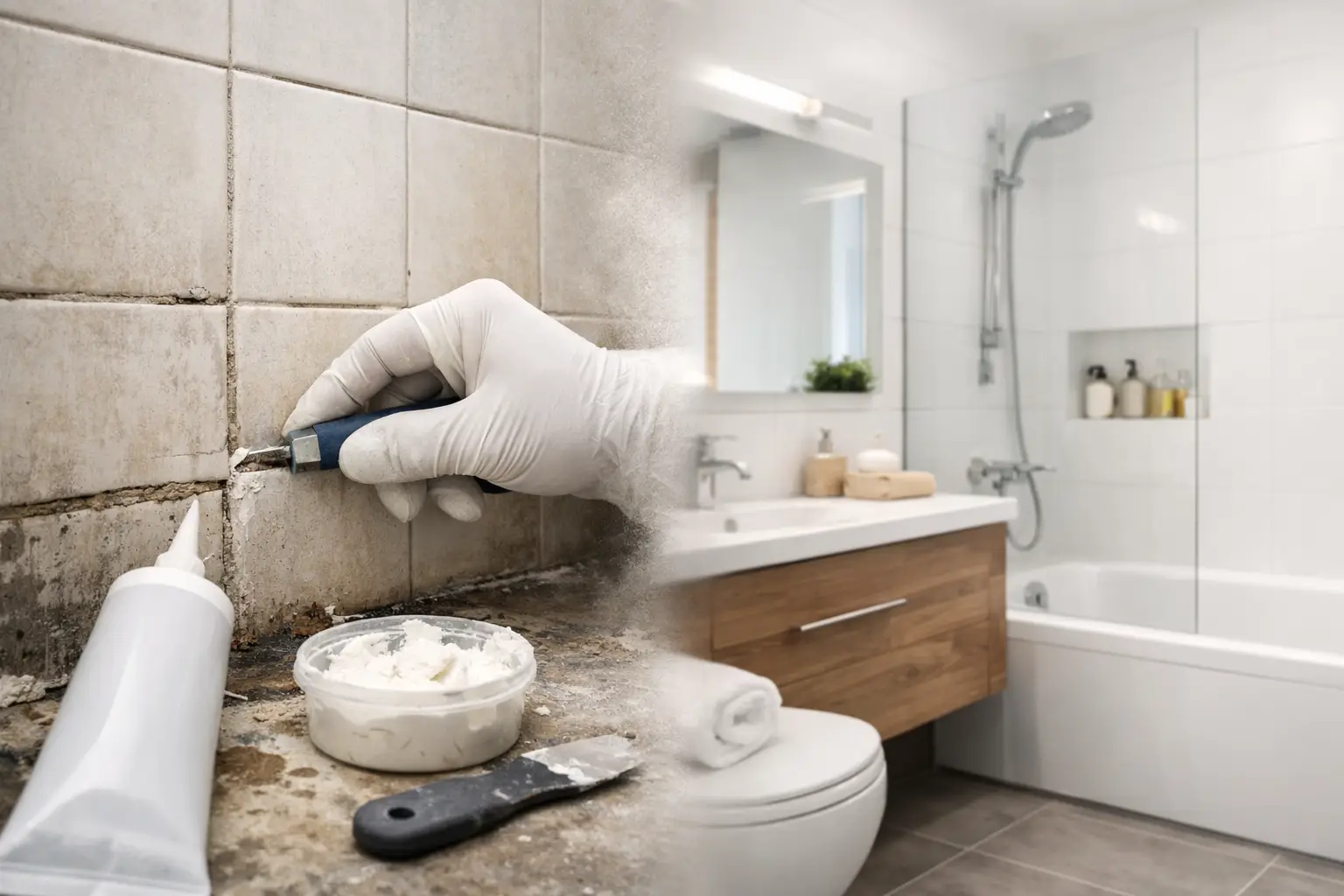
A shower that leaks through cracked grout or blackened silicone can make a full renovation feel unavoidable. Yet, where the tiles are sound and the problem is limited to failed joints, choosing to regrout a bathroom instead of a renovation can stop water ingress without the cost, mess and downtime of demolition.
For Melbourne homeowners, landlords and property managers, the key is not simply making old grout look new. It is identifying why water is getting behind the tiles, then repairing the failed areas properly before moisture reaches wall framing, flooring, ceilings or an adjoining apartment.
When regrouting is a practical alternative to renovation
A bathroom renovation makes sense when you want a new layout, different fixtures or a complete design change. It is also necessary where there is substantial hidden damage, loose tiles, a failed waterproof membrane or structural movement that cannot be addressed from the tiled surface.
But many leaking showers do not need to be stripped back to the studs. In established homes, the tiles may still be firmly bonded, the shower base may be intact and the issue may be concentrated in deteriorated grout, cracked corners or silicone that has lifted away from the wall and floor junctions.
In these cases, targeted grout replacement and silicone renewal can be the more sensible repair. The existing tiles stay in place, so there is no need to remove a shower screen, pull out a vanity, arrange a skip bin or live without the bathroom while it is rebuilt. For an investment property, that can also mean less vacancy and fewer disruptions for tenants.
The important distinction is between superficial regrouting and a specialist remedial repair. Applying new grout over loose, contaminated or cracked material will not solve the cause of a leak. The failed grout and silicone need to be removed, joints prepared correctly and new materials applied where they can perform as intended.
Signs your bathroom may be suitable for regrouting
Cracked or missing grout is an obvious warning sign, particularly around the lower wall tiles and shower floor. So is silicone that is mouldy, split, shrinking or detached at the internal corners. These joints move differently from the tiled surfaces, which is why they need flexible silicone rather than rigid grout.
Other signs can appear outside the shower itself. You might notice peeling paint on a neighbouring wall, swollen skirting boards, staining on the ceiling below, a musty smell or mould that keeps returning despite regular cleaning. In an apartment, water may show up in the property beneath yours before the shower looks especially damaged.
These symptoms do not automatically mean the whole bathroom has failed. They do mean the area should be inspected promptly. The longer water passes through damaged joints, the greater the chance that a relatively contained repair becomes a larger rectification job.
A bathroom is more likely to suit regrouting where the tiles are stable, there are no major cracks caused by movement, the shower base is in good condition and there is no evidence of extensive membrane failure. An experienced assessment is essential because similar-looking leaks can have very different causes.
What a proper shower regrouting repair involves
A durable result starts with diagnosis. Water may be entering through wall-to-floor junctions, vertical corners, around shower screens, damaged grout lines or penetrations around taps and fittings. Treating only the most visible crack can leave the actual entry point untouched.
Once the problem areas are identified, old failed grout is removed from the joints rather than covered over. This creates a clean, sound channel for replacement grout. Existing silicone is also cut out where it has failed, because new silicone will not bond reliably to loose or contaminated material.
The tiled surface and joints are then cleaned and prepared before fresh grout is installed. Flexible, mould-resistant silicone is applied to movement joints, including internal corners and wall-to-floor connections. These details matter: corners and junctions are often where a shower first starts to leak.
Depending on the condition of the tiled area, sealing may form part of the remedial process. It helps protect porous grout and assists with ongoing maintenance, but it is not a substitute for sound grout, correctly finished silicone or proper waterproofing underneath the tiles.
The goal is straightforward - restore the tiled surface so water is directed into the shower waste, not through gaps around and beneath the tiles.
The cost and disruption difference
Full renovation costs can quickly rise once demolition starts. Removing tiles can expose damaged plaster, rotted flooring, corroded fixtures or waterproofing issues that were not visible at the outset. You may also need new tiles, a new screen, plumbing changes and multiple trades, with the bathroom out of use for an extended period.
Regrouting is not the right answer to every bathroom issue, but when it is suitable, it keeps the repair focused on the fault. Retaining existing tiles avoids unnecessary waste and preserves a bathroom that may otherwise be in perfectly serviceable condition.
This is especially useful where the tiles are no longer available or matching replacements would be difficult to source. A targeted repair can retain the character of an older bathroom while improving its function and protecting the rooms around it.
Price should still be clear from the start. A fixed quote after inspection gives property owners a defined repair scope, rather than an open-ended demolition project where additional problems may emerge after work begins.
When renovation is the better decision
It is worth being realistic about the limits of regrouting. If tiles are drummy, loose or widespread cracking indicates movement in the substrate, a surface repair may not last. The same applies if water testing or inspection indicates a failed waterproof membrane behind the tiles, rather than leaks limited to joints.
Renovation can also be the better investment when the bathroom layout no longer works, plumbing requires relocation, drainage is poor or ageing fixtures need replacement. In these circumstances, putting money into a complete rebuild can provide a more reliable long-term outcome.
There are also situations where damage has already travelled beyond the shower. Significant timber decay, heavily compromised plaster, recurring ceiling damage or widespread mould may require further investigation and repair before any grout work is considered.
A trustworthy specialist should tell you when regrouting is unlikely to solve the problem. The value of an inspection is not being sold a particular service - it is understanding the actual condition of the wet area and choosing the least invasive repair that will properly address it.
How to protect the repair after regrouting
New grout and silicone will last longer when the shower is maintained sensibly. Ventilate the room after bathing, use an exhaust fan, wipe down excess water where practical and avoid harsh acidic cleaners that can attack grout and sealants. Check corners, shower screens and grout lines every few months for early signs of splitting or discolouration.
Do not wait for a visible leak to become severe. Grout and silicone are exposed to daily water, cleaning products and movement, so deterioration is normal over time. Early repair is generally simpler, less expensive and far less disruptive than dealing with moisture damage after it has spread.
For Melbourne properties with sound tiles but failing shower joints, Mr. Regrout provides free inspections, fixed quotes and a 5-year waterproof warranty on suitable remedial work. That gives owners a clear path to address a leak without automatically committing to a full renovation.
The best next step is to have the shower assessed while the evidence is still localised. If the issue is confined to failed grout and silicone, a careful repair can preserve the bathroom you have and help keep water where it belongs.