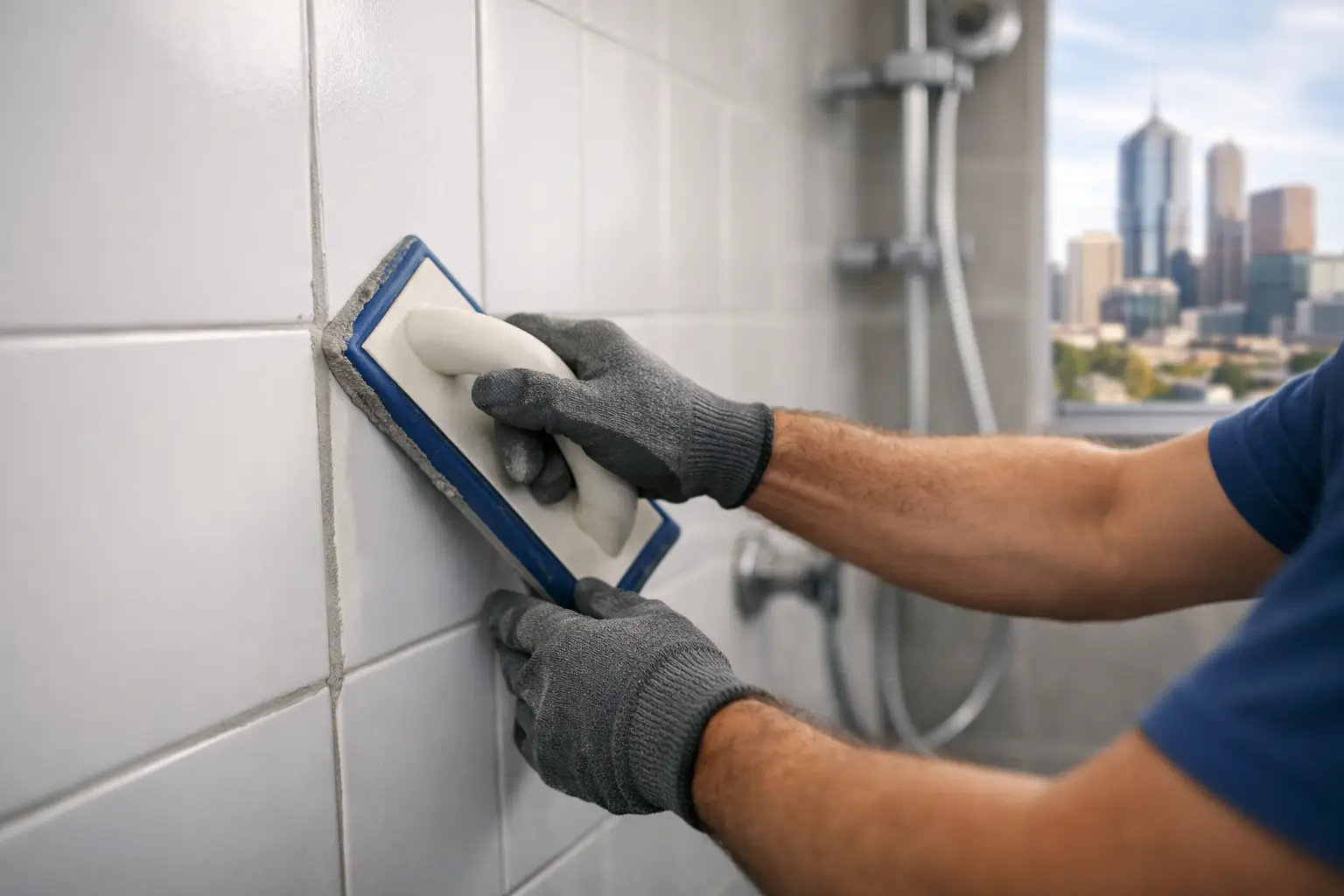
A shower that takes longer to dry, dark grout lines, loose silicone or a stain appearing on the ceiling below are not cosmetic problems to leave for later. Regrouting Melbourne bathrooms and balconies can be a practical way to address early water ingress without removing sound existing tiles. The key is knowing whether failed grout and silicone are the source of the issue, or whether there is a more serious problem beneath the tiled surface.
For homeowners, landlords and property managers, a targeted repair can protect the property, reduce disruption and avoid the cost of a full renovation. But regrouting is only worthwhile when it is carried out as part of a proper assessment and remedial sealing process, not as a quick surface patch.
When regrouting Melbourne properties makes sense
Grout and silicone work hard in wet areas. Shower floors and walls are exposed to daily moisture, cleaning products and movement. On balconies, changing temperatures, rain and direct sun can cause grout to crack or become porous over time. Silicone joints around shower screens, baths, wall-to-floor junctions and balcony edges can also shrink, split or detach.
When these joints fail, water can find its way behind tiles and into surrounding building materials. That may lead to mould, swollen skirting boards, damaged plaster, deteriorating timber, stained ceilings or complaints from a neighbour in an apartment building.
Regrouting is often appropriate where tiles remain firmly bonded and in good condition, but the grout is cracked, missing, stained, soft or breaking down. Renewing failed silicone at the same time is equally important. Grout and silicone serve different areas of a tiled surface, and replacing one while leaving the other deteriorated can leave an obvious path for water to continue entering.
A specialist repair is designed to remove defective grout, prepare the joints correctly, apply new grout and renew flexible silicone joints where required. The finished surface should look cleaner and more consistent, but the main purpose is to restore protection around the tiled area.
Signs your shower or balcony needs attention
Some leaks are obvious, but many begin quietly. A persistent musty smell in a bathroom, mould returning along silicone, grout that stays dark after the shower has dried, or paint lifting on an adjoining wall can all point to ongoing moisture.
In showers, pay close attention to corners, wall-to-floor joints, around the shower screen and near the tapware. These are common movement points where silicone can fail. Cracked grout around floor tiles, particularly near the waste, should also be assessed promptly.
On balconies, look for crumbling grout, cracked joints, loose tiles, water marks below the balcony or moisture entering an internal room along the exterior wall. Balcony issues deserve early action because water can travel beyond the visible damaged area and affect adjacent building elements.
Not every mark means the same thing. Surface mould may be caused by poor ventilation, while a ceiling stain may relate to plumbing rather than the shower above. That is why an inspection matters. The repair should follow the cause, not just the visible symptom.
Why a surface patch is rarely enough
It is tempting to apply new grout or sealant over old, damaged material. That approach may improve the appearance briefly, but it does not reliably address cracks, contamination, gaps or failed adhesion beneath the surface.
Proper regrouting involves removing the deteriorated material from the joints rather than coating over it. The area then needs to be cleaned and prepared before new grout is applied. Failed silicone should be completely removed and renewed with an appropriate flexible sealant. This gives the replacement materials a sound surface to bond to.
The difference matters most in a shower or balcony because these areas are repeatedly exposed to water. A cheap patch can delay the visible problem while moisture continues to affect the wall, floor or structure behind the tiles. Repairing the joints properly early is usually simpler than waiting for water damage to turn a contained maintenance issue into a renovation project.
Retaining tiles can save time, cost and mess
Many property owners assume a leaking shower means the bathroom must be demolished and retiled. In some cases, especially where tiles are loose, the substrate is badly damaged or the waterproofing system has failed extensively, larger works may be necessary. There is no benefit in promising a minor repair where it is not suitable.
However, full tile removal is not the automatic answer. If the existing tiles are sound and the water ingress is related to deteriorated grout and silicone joints, targeted regrouting can preserve the tiled finish. That avoids the dust, waste, extended downtime and replacement costs associated with stripping out a bathroom or balcony.
This is particularly useful in established Melbourne homes, rental properties and apartments where matching older tiles may be difficult or where access and disruption need to be kept under control. It can also help landlords and property managers resolve a maintenance concern promptly while preserving the condition and presentation of the property.
The result depends on the condition of the tiled area. A thorough assessment should identify whether a tile-preserving repair is realistic before work begins.
What a professional regrouting repair should include
A reliable repair starts with inspection, not a one-size-fits-all quote. The specialist needs to examine the tiled surfaces, grout joints, silicone lines and signs of moisture movement. They should explain what has failed, what work is recommended and any limitations that may affect the outcome.
For a suitable shower or balcony, the work generally focuses on removing damaged grout, replacing it with fresh grout, renewing failed silicone and sealing vulnerable areas as required. Careful preparation is what separates a durable repair from a cosmetic touch-up.
Clear communication also matters. Property owners should know the expected cost before work starts, how long the area needs to remain dry and what aftercare is required. Fixed quotes remove uncertainty, while a written waterproof warranty provides useful accountability for the completed repair.
Mr. Regrout provides free inspections and fixed-price quotes for eligible shower and balcony repairs across metropolitan Melbourne, with a 5-year waterproof warranty. That gives owners a practical starting point when they are weighing up a targeted repair against a more disruptive renovation.
Choosing the right time to repair
The best time to address deteriorated grout is before water damage spreads. Once moisture reaches plaster, timber framing, cabinetry or the ceiling below, the scope and cost of repairs can increase quickly. In a strata or apartment setting, a small shower leak can also become an issue for adjoining lots.
That does not mean every stained grout line requires urgent replacement. Grout can discolour from age, soap residue or cleaning products without allowing water through. The concern is greater when discolouration is combined with cracking, missing grout, loose silicone, recurring mould or evidence of moisture outside the shower or balcony.
If you are preparing to sell, arranging a rental inspection or planning other property maintenance, regrouting can also be a sensible preventative step. A tidy, well-sealed tiled surface presents better and helps reduce the risk of a leak becoming apparent at an inconvenient time.
Looking after renewed grout and silicone
After a professional repair, simple care can help keep tiled wet areas in good condition. Use non-abrasive cleaning products, avoid harsh acids that can damage grout, and keep shower ventilation working well. Wipe excess water from glass and tiled surfaces where practical, particularly in bathrooms with limited airflow.
Check silicone joints periodically. Flexible sealant is intended to accommodate movement, but it will not last forever. If you notice lifting edges, splits or mould that returns within the joint, arrange an assessment rather than repeatedly applying product over the top.
For balconies, clear leaves and dirt from drains and avoid allowing pots, outdoor furniture or stored items to trap moisture against walls and tiled edges. Good drainage supports the repair by reducing prolonged water exposure.
A leaking shower or deteriorating balcony does not always require tiles to come off. Acting while the issue is contained can protect the surrounding property and give you a clearer, lower-disruption path forward. If the joints are showing signs of failure, a professional inspection is the sensible next step before the next shower or rain event makes the problem larger.