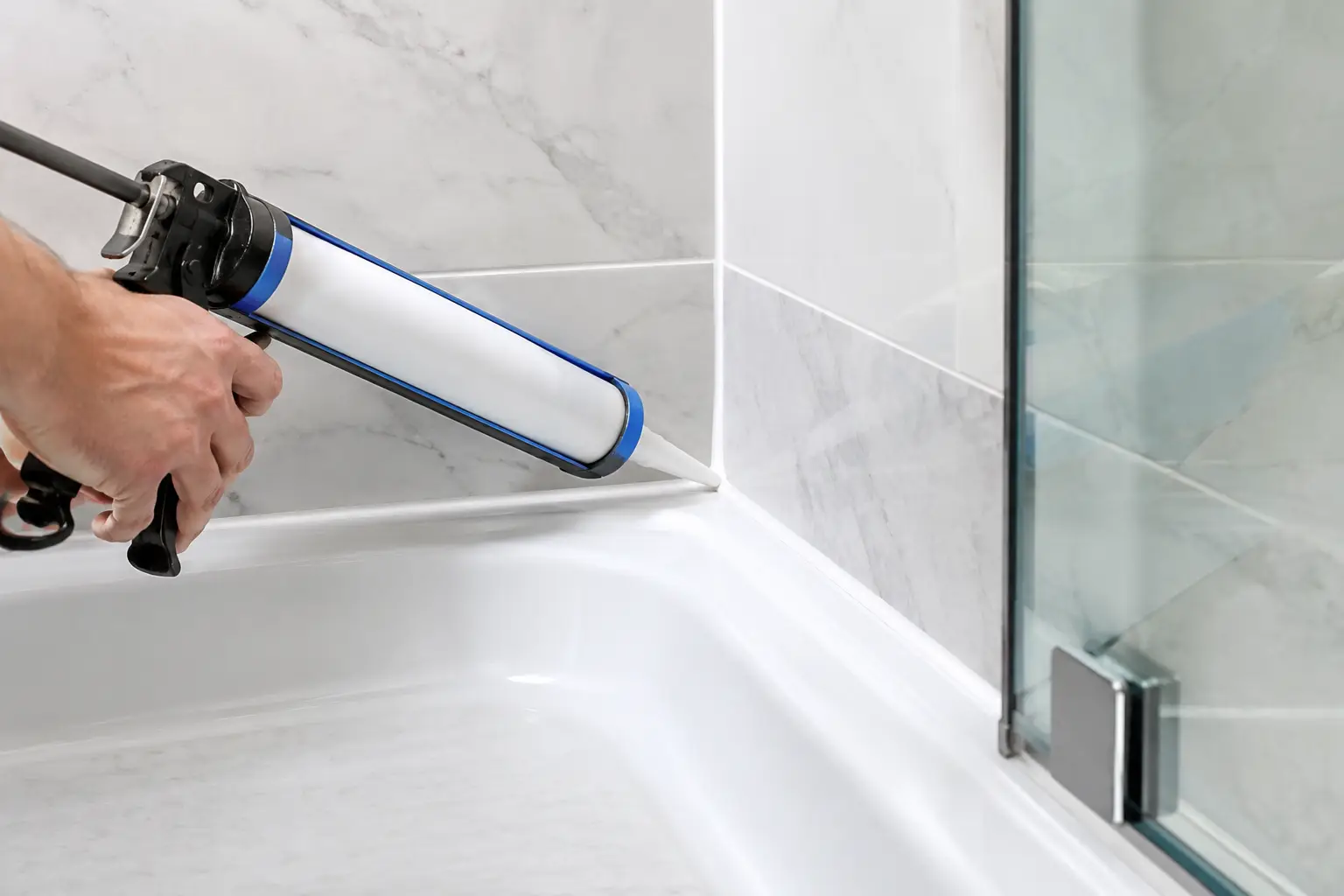
A blackened or split line of silicone around the shower might look like a cosmetic problem, but it can be an entry point for water. Effective shower caulking keeps water contained in the shower recess, where it belongs, rather than allowing it to work behind tiles, into wall linings or beneath flooring.
For Melbourne homeowners and property managers, the key is acting before a failed joint becomes a larger repair. Renewing silicone is often a straightforward, tile-preserving job. But when there are signs of an established leak, it is worth having the whole shower assessed rather than assuming caulking alone is the answer.
What shower caulking is designed to do
In tiled showers, the flexible sealant commonly called caulking is usually sanitary-grade silicone. It is applied where two different surfaces meet or where movement is expected - along wall-to-floor junctions, vertical internal corners, around shower screens, and sometimes around fixtures.
Grout is rigid. Silicone is flexible. That distinction matters because showers naturally move slightly over time as building materials expand, contract and settle. A grout-filled corner can crack under that movement. Properly applied silicone absorbs it while maintaining a watertight seal.
Silicone also creates a finish that is easier to clean than an open or cracked joint. It should sit firmly against both surfaces, have a consistent profile and leave no gaps where water can collect. A neat bead is useful, but appearance alone is not proof that the joint is sealed correctly.
Signs your shower silicone needs attention
Silicone does not last forever. Frequent moisture, cleaning products, poor ventilation and normal movement all contribute to deterioration. The most obvious sign is a visible split, but water can pass through much smaller failures that are easy to miss.
Look closely at the corners and floor junctions of the shower. Silicone may need renewal when it is peeling away from the tiles, cracked, brittle, discoloured beyond cleaning or visibly mouldy. Gaps around the shower screen frame are also worth checking, particularly where water pools after use.
Other warning signs appear outside the shower itself. These include a musty smell, swollen skirting boards, lifting paint on an adjacent wall, staining on a ceiling below, loose tiles or persistent mould returning near the shower. In an apartment, a shower leak may affect a neighbouring property before the owner sees obvious damage in their own bathroom.
If the shower has been leaking for some time, fresh silicone over the top may improve its appearance without stopping the underlying issue. The existing sealant needs to be fully removed, the joint cleaned and dried, and the condition of the surrounding grout and tiles considered before a new bead is installed.
Why failed caulking can lead to bigger repairs
Water follows the easiest path. Once it enters a failed joint, it may travel behind tiles or into the substrate before it becomes visible. By then, the damage can extend well beyond the original silicone line.
This is why shower leaks should not be judged only by the size of the crack. A narrow gap at a wall-to-floor junction may receive water every day. Over weeks or months, that repeated moisture can affect plaster, timber, flooring, cabinetry and ceilings below.
The cost of delay is not limited to building damage. Mould growth, unpleasant odours, tenant complaints and difficulty selling or leasing a property can follow. For landlords and property managers, early maintenance is usually far easier to organise than emergency repairs after a leak reaches another room or apartment.
When recaulking is enough, and when it is not
Recaulking is often the right repair when the tiles are sound, the grout is intact and the problem is isolated to worn or failed silicone joints. In these cases, removing the old sealant and applying new sanitary silicone can restore the shower's protective edge without removing tiles.
It is not a universal fix. If grout is missing, cracked or porous across the shower, water may be entering through multiple areas. Hollow or loose tiles, damaged waterproofing, ongoing dampness behind walls and leaks at plumbing connections need further investigation.
A professional assessment should identify the likely source rather than treating the most visible symptom. That matters especially in older Melbourne bathrooms, where years of movement and previous patch repairs can leave several weak points. A targeted repair may involve silicone renewal, grout replacement and sealing, depending on what the shower needs.
There is also a practical timing issue. New silicone needs a clean, dry surface and adequate curing time. Applying it to damp joints, over old residue or onto unstable grout can shorten its life. Using the shower too soon can compromise the seal before it has cured properly.
How professional shower caulking is completed
A lasting silicone renewal is more than squeezing sealant into a gap. The preparation work determines whether the new joint bonds correctly.
First, all failed silicone is cut out. This includes residue that may be holding moisture, mould or soap build-up against the joint. The area is then cleaned thoroughly so the new silicone can adhere directly to sound tile, glass or metal surfaces.
The joint must be dry before sealing begins. A specialist then applies the appropriate sanitary silicone in a continuous bead, shaping it to provide reliable contact with both surfaces. Corners, wall-to-floor joints and screen edges need careful attention because these are the areas most exposed to water and movement.
The repaired shower should remain unused for the recommended curing period. This can feel inconvenient, but it is a small disruption compared with removing tiles and repairing water-damaged walls or flooring. A clear contractor will explain what has been done, how long to wait before using the shower and any maintenance steps that will help the work last.
Choosing the right silicone for a tiled shower
Bathroom silicone is not interchangeable with every sealant sold at a hardware store. Shower joints need a flexible, mould-resistant product suited to wet areas and compatible with the materials being sealed. The wrong product may not adhere properly, may discolour quickly or may be difficult to remove when it fails.
Colour also matters. White silicone is common, but clear, grey and other shades may better suit the tile and grout. The aim is not simply to hide a joint. It is to create a durable seal that looks tidy without drawing attention away from the bathroom finish.
Even quality silicone has limits. Strong bleach, abrasive scrubbing and poor bathroom ventilation can shorten its life. After showering, a quick wipe-down and regular use of an exhaust fan can reduce moisture sitting in corners. Cleaning with suitable non-abrasive products also helps prevent premature breakdown.
Avoiding the common patch-up mistakes
The most common mistake is applying new silicone over old silicone. It might cover a stained joint temporarily, but new material rarely bonds reliably to a contaminated or loose surface. The water pathway can remain underneath.
Another mistake is using grout in internal corners because it appears more solid. Grout has a role between tiles, but it is not designed to accommodate movement at changes of plane. A flexible silicone joint is generally the appropriate finish in those locations.
Home repairs can be suitable for a small, clearly isolated touch-up, but there is a trade-off. If there is any suspicion of water damage or recurring mould, a quick DIY repair can delay the diagnosis while moisture continues to travel behind the tiles. The most economical approach is the one that resolves the actual cause.
A tile-preserving way to protect your bathroom
A leaking shower does not automatically mean a full bathroom renovation. Where the existing tiles are in good condition, remedial work can often renew failed grout and silicone without the cost, mess and waste of demolition.
Mr. Regrout provides Melbourne property owners with free inspections and fixed quotes for targeted shower repairs, with a 5-year waterproof warranty on eligible work. That gives owners a practical way to address water ingress while retaining the tiles and bathroom finish they already have.
If silicone is cracked, mouldy or pulling away, treat it as an early warning rather than a minor cleaning issue. A timely inspection can help keep a small shower joint repair from becoming damage to the rooms around it.