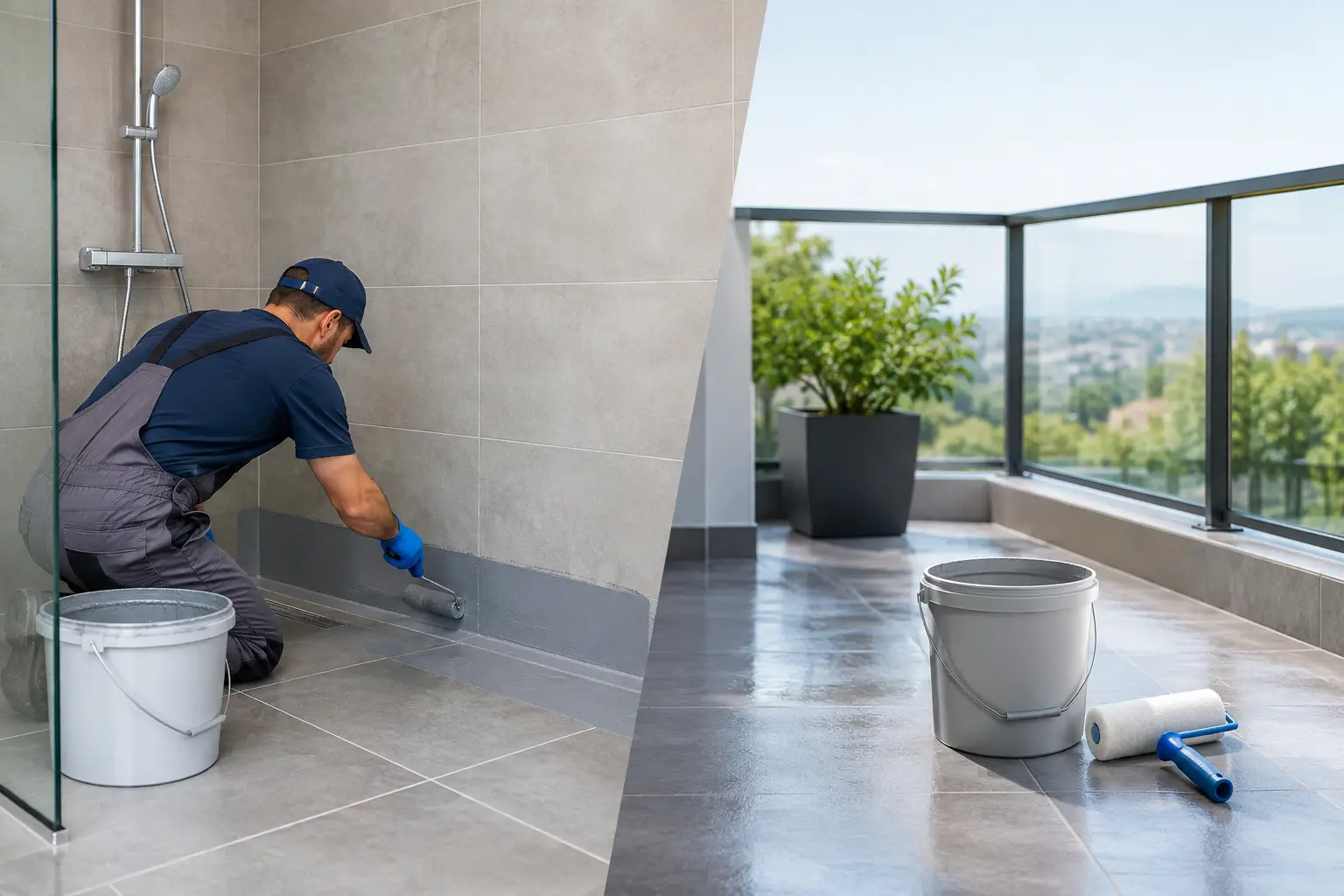
A shower that leaks into the room below, or a balcony showing damp marks on the ceiling underneath, can quickly become more than a cosmetic problem. Tile waterproofing is often the first concern for property owners, but the visible tiles are only one part of the system that keeps water where it belongs. Failed grout, cracked joints and deteriorated silicone can create direct paths for water to reach the structure behind the surface.
For many Melbourne homes, the right repair does not mean removing sound tiles and starting again. Where the underlying waterproof membrane remains serviceable, targeted regrouting and silicone renewal can restore protection, improve the finish and stop further water ingress without the cost and disruption of a full renovation.
What tile waterproofing really involves
In a tiled shower or balcony, tiles provide a hard-wearing finished surface, but they are not completely waterproof on their own. Grout is porous to varying degrees and movement joints around walls, floors, screens, drains and penetrations rely on flexible silicone to keep water out of vulnerable gaps.
Behind the tiles is usually a waterproofing membrane. Its job is to direct water back towards the drain and prevent moisture from reaching wall frames, flooring, ceilings or adjoining apartments. When grout is cracked, missing or loose, and silicone has split or lifted away, water can work behind the tiled surface repeatedly. Over time, this can lead to mould, damaged plaster, swollen timber, stained ceilings and more expensive repairs.
This is why tile waterproofing repairs need to focus on the source of the leak, not just the most obvious mark. Applying sealant over failing grout or adding a bead of silicone over old silicone may hide the issue briefly, but it rarely creates a dependable repair.
The common weak points in tiled wet areas
Showers and balconies are exposed to different conditions, yet their failure points are similar. Showers deal with daily water use, cleaning products and building movement. Balconies must also withstand rain, direct sun, temperature changes and standing water after a storm.
The areas most likely to allow water through include grout joints that have cracked or worn away, silicone joints at wall-to-floor changes, gaps around shower screens, drain surrounds, balcony door thresholds and tile edges. On balconies, blocked drainage can make a small joint failure worse by keeping water on the surface for longer than intended.
A dark or mouldy silicone line does not automatically mean the waterproof membrane has failed. Equally, clean-looking tiles do not rule out a leak behind them. The condition of the joints, the pattern of dampness and where water appears are all part of a proper assessment.
Signs that should not be ignored
A leaking tiled area does not always produce a puddle. Look for these warning signs before the damage spreads:
- Cracked, powdery, missing or discoloured grout
- Silicone that is split, shrinking, lifting or mould-affected
- Damp patches, peeling paint or stains on an adjoining wall or ceiling
- Musty odours, loose tiles, swelling skirting boards or water appearing outside the shower
In an apartment, balcony or bathroom leaks can also affect a neighbour’s property. Acting early can reduce the chance of a larger rectification bill and avoid a difficult strata or tenancy issue.
When repairs without removing tiles can work
A tile-preserving repair is most suitable when the tiles are generally sound and well bonded, the leak is linked to failed grout or silicone, and there is no clear evidence that the waterproof membrane or substrate has broken down extensively. The work involves removing deteriorated grout where required, preparing the joints properly, replacing it with suitable grout and renewing flexible silicone in the movement areas.
This approach retains the existing tiled finish and avoids demolition dust, retile work and extended bathroom downtime. It can be a practical option for an owner preparing a property for sale, a landlord managing maintenance between tenancies, or a homeowner who wants to stop a leak without turning a small repair into a full renovation.
However, it depends on the condition beneath the tiles. If tiles are widespread loose, the floor has significant movement, water is trapped below the surface, or the membrane has failed beyond the joints, regrouting alone may not solve the problem. A specialist should be clear about that distinction. A targeted repair is valuable when it addresses the actual failure, not when it is used as a temporary cover for a larger defect.
How a proper tile waterproofing repair is completed
Good results start with diagnosis. The repair area needs to be inspected for failed grout, compromised silicone, cracked tiles, drainage issues and signs that water has travelled beyond the wet area. The aim is to identify whether surface-joint renewal is likely to restore the seal or whether further investigation is needed.
Once the repair scope is confirmed, old silicone is removed rather than covered. Damaged or loose grout is taken out to create a clean, sound joint for replacement. The joints are cleaned and prepared, new grout is installed where needed, and quality flexible silicone is applied to wall-to-floor junctions, corners, screens and other movement points.
The finished result should look neat, but appearance is not the only measure of workmanship. Correct preparation, suitable materials and attention to joint transitions are what help prevent water from finding its way back behind the tiles. The repaired area must also be allowed to cure before it is exposed to regular shower use or heavy balcony traffic.
Showers need flexible joints, not just fresh grout
One common mistake in shower repairs is treating every gap as a grout joint. Corners and changes of plane move slightly as the building, framing and tiled surfaces respond to temperature, moisture and normal use. These junctions need flexible silicone, not rigid grout.
If grout is installed into a movement joint, it is likely to crack again. If silicone has been smeared over contaminated or failed material, it may not adhere correctly. Proper silicone renewal means removing the old joint, cleaning the surfaces and applying a new continuous seal with enough flexibility to accommodate movement.
Shower screen edges also deserve close attention. Water escaping at the screen can mimic a waterproofing problem, particularly where the bathroom floor is not designed as a full wet area. A careful inspection separates water escaping into the room from water leaking through the tiled shower structure.
Balcony waterproofing needs drainage as well as sealed joints
Balconies are often exposed to harsh Melbourne weather, so minor defects can become noticeable after prolonged rain. Cracked grout and failed silicone around perimeter edges, door thresholds and penetrations allow water to move below the tiles. But drainage matters too.
Water should flow towards the balcony outlet rather than pool against a doorway or wall. Leaves, dirt and debris can obstruct drains and create standing water, placing more pressure on joints that are already deteriorating. Keeping outlets clear is simple maintenance, but it does not replace repairing failed grout or silicone.
Where a balcony leak is affecting the room below, an inspection should consider the condition of the tiled surface, joints, drainage and any visible signs of substrate movement. The best repair is the one that suits the cause of the leak, not a standard fix applied to every balcony.
Choosing a repair specialist
Before agreeing to extensive tile removal, ask whether the source of water ingress has been identified and whether the existing tiles can be retained. A clear inspection and fixed quote make it easier to weigh the repair against renovation costs. You should also understand what work is included, which areas will be regrouted or resealed, how long curing will take and what warranty applies.
Mr. Regrout provides free inspections, fixed-price quotes and a 5-year waterproof warranty for suitable shower and balcony repairs across metropolitan Melbourne. That gives property owners a straightforward option when failed grout and silicone are the problem, without assuming every leak requires demolition.
If you have noticed mouldy corners, cracked grout or a damp patch near a tiled shower or balcony, do not wait for the visible damage to become the whole repair. An early assessment can show whether a focused tile waterproofing repair can protect the property while keeping the tiles you already have.